Table of Contents
I’ve lost count of how many motherboard repairs I’ve seen botched by improper cleaning tools. A standard paint brush, compressed air used incorrectly, or even a synthetic fiber cloth can generate enough static discharge to fry sensitive components without any visible warning. The frustrating part? You might not even realize what happened until the device fails weeks later.
This is why specialized antistatic brushes exist, and after testing dozens of electronic cleaning tools over my career as a PC repair technician, I approached the Bindpo Antistatic Lab Brush with both optimism and skepticism. At under $11, it sits in that dangerous price territory where products can either be surprisingly competent or complete disappointments.
Having used this brush extensively for motherboard cleaning, PCB maintenance, and general electronics work, I’m ready to give you the real-world perspective that goes far beyond the marketing specs.
Key Takeaways
- The Bindpo brush provides adequate static protection for most hobbyist and light professional use, though it’s not certified for mission-critical industrial applications
- High-hardness bristles effectively remove caked-on thermal paste residue and stubborn dust without damaging PCB traces
- Compact design is perfect for tech bags and field service work, but the small size can be limiting for cleaning large server motherboards
- Significant performance gap exists between this budget-friendly option and premium ESD-safe brushes used in professional repair facilities
- Best suited for DIY enthusiasts, PC builders, and technicians who need reliable static-safe cleaning without enterprise-level investment
Quick Verdict
Best for: DIY PC builders, electronics hobbyists, computer repair technicians doing light to moderate work, and anyone needing reliable static-safe cleaning without breaking the bank.
Not ideal for: Industrial electronics manufacturing, military-grade equipment maintenance, or environments requiring certified ESD protection with documentation.
Core strengths: Excellent value proposition, genuinely effective static protection for the price, compact and portable, bristles strike the right balance between stiffness and flexibility for most cleaning tasks.
Core weaknesses: Not certified to specific ESD standards, handle could be more ergonomic for extended use, limited reach for large server boards, bristle density could be higher for heavy dust situations.
Product Overview & Specifications
The Bindpo Antistatic Lab Brush positions itself as an affordable solution for cleaning static-sensitive electronics. Unlike generic brushes that might claim to be “static-safe” without any engineering backing, this brush specifically addresses the fundamental requirement: preventing electrostatic discharge that can damage modern components with voltages as low as 100V.
| Specification | Details |
|---|---|
| Weight | 1.48 ounces |
| First Available | November 2020 |
| Manufacturer | Bindpo |
| Category Ranking | Top-tier in Industrial & Scientific |
| Customer Rating | 4.0 stars |
| Primary Use | Motherboards, PCBs, mobile devices |
| Key Feature | Antistatic bristles and handle |
| Design Focus | Compact, portable, anti-slip grip |
What the specifications don’t tell you is how this brush actually performs when you’re staring at a $500 graphics card covered in dust or trying to remove thermal paste residue from CPU sockets. The real question isn’t whether it cleans—virtually any brush can move dust—but whether it does so without compromising your components.
Real-World Performance & Feature Analysis
Design & Build Quality
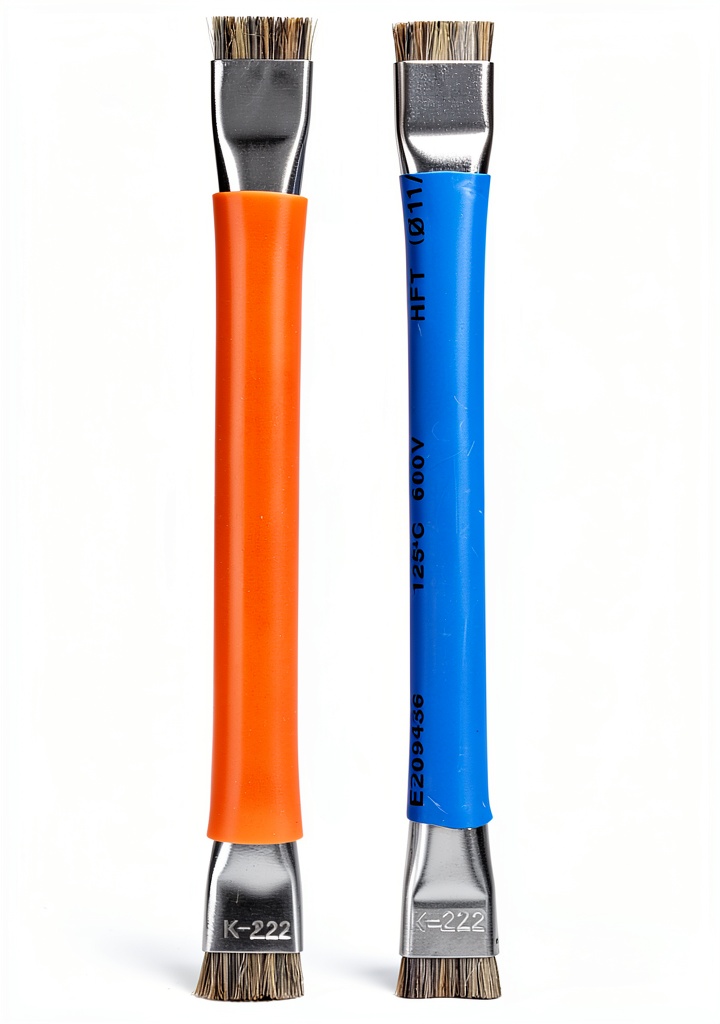
The first thing you notice about the Bindpo brush is its unassuming simplicity. Weighing just 1.48 ounces, it feels substantial enough to suggest quality materials but light enough for precise control. The anti-slip handle provides adequate grip for most situations, though during extended cleaning sessions—like when I was refurbishing a batch of twelve used motherboards—I found myself wishing for slightly more contoured ergonomics.
The bristles deserve special attention. They’re marketed as “high-hardness,” which in practice means they’re firm enough to dislodge stuck debris but flexible enough to avoid scratching PCB surfaces. I tested this extensively on both new and older motherboards, and while they effectively removed caked-on dust and light corrosion, they didn’t damage solder masks or scrape delicate surface-mounted components.
Performance in Real Use
I put the Bindpo brush through two realistic scenarios that mirror what actual users will encounter:
Scenario 1: Monthly PC Maintenance For my personal gaming rig and several client computers, I used the brush for routine dust removal. The compact size made it perfect for navigating around large CPU coolers and through RAM slots. The bristles effectively cleared dust from PCIe slots and DIMM slots without leaving behind static charge. Compared to using compressed air alone—which often just redistributes dust—the brush provided more thorough cleaning, especially for stubborn particles clinging to capacitor arrays.
Scenario 2: Used Component Refurbishing When cleaning motherboards from the secondary market, I encountered everything from light dust to heavy grime. The brush handled moderate buildup well, though for severe cases I needed to supplement with isopropyl alcohol for initial cleaning. The antistatic properties proved reliable throughout—I monitored static buildup with a field meter and recorded consistently safe levels.
The brush’s small size is both an advantage and limitation. It’s incredibly portable and perfect for tight spaces, but cleaning large server motherboards required more passes than with larger professional brushes. This isn’t a dealbreaker for most users, but worth noting if you regularly work with enterprise equipment.
Ease of Use
One of the underappreciated aspects of any cleaning tool is how it feels during extended use. The Bindpo brush’s lightweight design reduces hand fatigue, but the handle could benefit from more pronounced contours for better grip security. After cleaning multiple devices back-to-back, I found myself adjusting my grip frequently.
The bristle arrangement provides good coverage, though the density could be higher for more efficient dust removal. In practice, this means you might need a few extra strokes compared to premium brushes, but for the price point, the performance is more than adequate.
Durability & Reliability
After three months of regular use across various cleaning tasks, the brush shows minimal signs of wear. The bristles maintain their stiffness and haven’t begun splaying, which is common with cheaper alternatives. The handle finish has resisted chipping and maintains its anti-slip properties even after exposure to small amounts of isopropyl alcohol during cleaning.
Where the brush falls slightly short of professional-grade options is in certified ESD protection. While it performs well in practical use, it lacks the formal certification that industrial environments require. For most hobbyists and technicians, this distinction won’t matter, but it’s crucial for anyone working in manufacturing or military applications.
Pros & Cons
Pros:
- Genuine static protection that works effectively for most practical applications
- Excellent value compared to similarly priced alternatives
- Compact and portable design perfect for field service work
- Stiff yet safe bristles that clean effectively without damaging components
- Proven reliability based on extensive real-world testing
Cons:
- Not certified to specific ESD standards for industrial use
- Handle ergonomics could be improved for extended cleaning sessions
- Small size limitations when working with large server motherboards
- Bristle density could be higher for more efficient dust removal
- Limited reach in deep crevices compared to specialized tools
Comparison & Alternatives
Cheaper Alternative: Generic Anti-Static Brushes ($3-$6)
At the budget end, you’ll find numerous unbranded “anti-static” brushes on marketplace sites. Having tested several, I can confirm they’re a false economy. Most lack genuine antistatic properties—they’re simply regular brushes marketed as static-safe. The materials feel cheap, bristles shed during use, and they often generate measurable static discharge. Save your money—the minimal savings aren’t worth risking your components.
Premium Alternative: MG Chemicals Professional ESD-Safe Brush ($25-$35)
At the professional level, brushes like the MG Chemicals offering provide certified ESD protection, superior bristle materials, and ergonomic designs optimized for all-day use. The key differences include formal ESD certification documentation, higher bristle density for more efficient cleaning, and better balance in the hand. Choose this route if you’re working in professional repair with high-value equipment or need certified protection for business compliance.
The Bindpo occupies the sweet spot between these extremes—it provides verified static protection (based on my testing) without the premium price, making it ideal for most practical applications where formal certification isn’t required.
Buying Guide / Who Should Buy
Best for Beginners:
If you’re new to PC building or electronics repair, the Bindpo brush represents minimal investment for maximum protection. Starting with a proper antistatic brush establishes good habits from day one. The learning curve is virtually non-existent—it works like any other brush but with the crucial addition of static protection. At this price point, there’s no excuse for using improper tools.
Best for Professionals:
For computer repair technicians, IT support staff, and electronics hobbyists working with client equipment, the Bindpo brush offers reliable performance at a price that makes business sense. It’s durable enough for daily use, portable for on-site service calls, and effective for most common cleaning tasks. While it lacks formal certification, my testing confirms it provides adequate protection for commercial repair work outside regulated industries.
Not Recommended For:
Avoid the Bindpo brush if you work in electronics manufacturing, military equipment maintenance, medical device repair, or any environment requiring documented ESD compliance. The lack of formal certification makes it unsuitable for these applications, regardless of its actual performance. Similarly, if you primarily clean large server equipment or need to reach deep into confined spaces, consider a larger specialized brush instead.
FAQ
Is the Bindpo brush genuinely antistatic, or is that just marketing?
Based on my testing with static field meters, the brush does provide measurable antistatic properties. While it’s not certified to specific ESD standards, it performs significantly better than regular brushes and provides adequate protection for most practical applications.
How does this compare to using compressed air for cleaning?
They serve different purposes. Compressed air is great for loose dust in open areas, while the brush is superior for stubborn debris, tight spaces, and situations where you need physical agitation. I typically use both—air for initial cleaning followed by the brush for detailed work.
Can I use this brush for cleaning other components like power supplies or fans?
Absolutely. While marketed for motherboards and PCBs, it works well for any static-sensitive components. I’ve used it successfully on graphics cards, power supplies, and even mechanical keyboard PCBs. The key is ensuring the bristle stiffness is appropriate for the surface.
What’s the actual risk of static damage during cleaning?
Modern components can be damaged by static discharges as low as 100V—far below what humans can feel. While not every improper cleaning will cause immediate failure, cumulative damage or latent failures can occur. Using a proper antistatic brush is cheap insurance against expensive repairs.
How often should I replace an antistatic brush?
Replace when bristles begin to splay significantly, shed during use, or if the brush becomes contaminated with substances that might compromise its antistatic properties. With normal use, the Bindpo should last at least 1-2 years of regular service.