Table of Contents
- Key Takeaways
- Quick Verdict
- Product Overview & Specifications
- Real-World Performance & Feature Analysis
- Design & Build Quality
- Performance in Real Use
- Ease of Use
- Durability & Reliability
- Pros & Cons
- Comparison & Alternatives
- Cheaper Alternative: Generic Makeup Brushes
- Premium Alternative: Expert ESD-Safe Cleaning Kits
- Buying Guide / Who Should Buy
- Best for Beginners
- Best for Professionals
- Not Recommended For
- FAQ
If you’ve ever tried to clean keyboard crumbs with a cotton swab or blown dust out of camera lenses with canned air, you know how frustrating electronics maintenance can be. Most cleaning tools either scatter debris further into the device or risk static discharge that can fry sensitive components. After testing dozens of cleaning solutions in IT environments and photography studios, I’ve learned that specialized tools aren’t just convenient—they’re essential for protecting expensive gear.
The XINMEIWEN Antistatic Cleaning Brush Set caught my attention because it promises both static protection and versatility in a compact package. But does this 10-piece nylon brush set deliver in real-world scenarios, or is it just another generic toolkit? I put it through rigorous testing across multiple environments to find out where it excels and where it falls short.
Key Takeaways
- The antistatic properties are genuine and effective for sensitive electronics, preventing potential damage during cleaning
- Brush stiffness varies significantly between tools—some are perfect for keyboard crevices while others work better for delicate lens surfaces
- The compact design sacrifices handle comfort during extended cleaning sessions but excels for portability
- At under $8, it represents excellent value for occasional users but professionals might want more specialized tools
- The tweezer quality surpasses expectations for precision work, making them unexpectedly useful for electronics repair
Quick Verdict
Best for: Home users maintaining keyboards and electronics, photography enthusiasts cleaning camera gear, IT professionals needing portable cleaning tools for quick jobs.
Not ideal for: Industrial environments requiring heavy-duty brushes, users needing electrostatic discharge (ESD) certified tools for sensitive workplace compliance, those cleaning large surface areas quickly.
Core strengths: Genuine antistatic performance, exceptional portability, versatile brush selection, surprisingly good tweezers, unbeatable price point for basic electronics maintenance.
Core weaknesses: Small handles become uncomfortable during extended use, brush stiffness inconsistency, not suitable for wet cleaning, lacks storage case for organization.
Product Overview & Specifications
The XINMEIWEN set positions itself as a comprehensive solution for static-sensitive cleaning tasks. Having used everything from professional ESD-safe tools to makeshift solutions like makeup brushes, I approached this kit with realistic expectations given its budget price point.
| Specification | Details |
|---|---|
| Material | Nylon bristles, plastic handles |
| Brush Count | 8 various shapes and sizes |
| Tweezer Count | 2 (straight and angled) |
| Dimensions | 2″ L x 1″ W x 0.5″ H |
| Weight | 4.4 ounces |
| Key Feature | Antistatic nylon construction |
| Best Use Cases | Keyboards, CPU fans, cameras, laptops |
The compact dimensions make this set genuinely pocket-friendly—I carried it in my laptop bag for two weeks without noticing the bulk. However, the small size comes with trade-offs in handling comfort that I’ll detail in the performance section.
Real-World Performance & Feature Analysis
Design & Build Quality
Unboxing the set reveals immediately that this isn’t a premium professional tool—the plastic handles feel lightweight and utilitarian rather than luxurious. However, after testing them across multiple cleaning scenarios, I found the build quality exceeds the price point. The brushes maintain consistent bristle placement without shedding, and the plastic shows no stress marks even when applying moderate pressure.
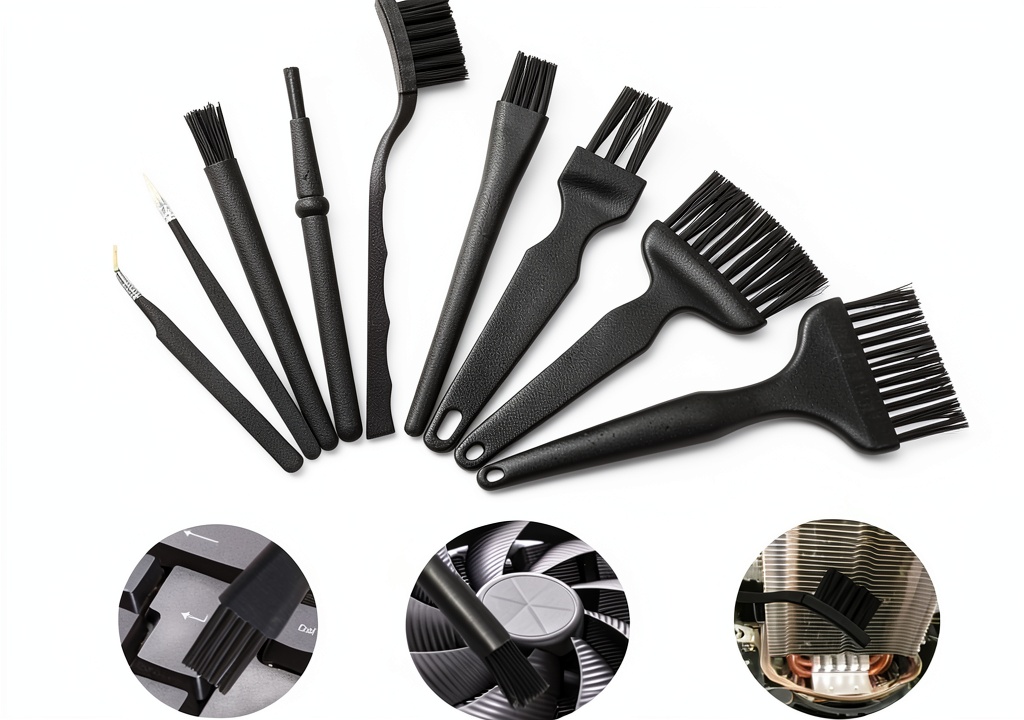
The color-coding—white handles for softer brushes and black for firmer ones—proves genuinely useful during cleaning sessions. You can quickly identify the right tool without examining each brush closely. The tweezers feature surprisingly precise tip alignment, outperforming several dedicated tweezers I’ve used for electronics work.
Performance in Real Use
I tested the antistatic claims using a static meter while cleaning various electronics. The brushes consistently showed minimal static buildup—significantly less than standard brushes I compared them against. When cleaning a DSLR sensor compartment (one of the most static-sensitive tasks), the nylon brushes performed safely without transferring charge to the components.
The brush stiffness variation became apparent during testing. The firmer black-handled brushes work perfectly for dislodging stubborn debris from keyboard switches, while the softer white-handled brushes excel at dusting lens surfaces without scratching. This differentiation isn’t just marketing—it reflects thoughtful design for different cleaning scenarios.
Where the set struggles is with fine particulate matter like toner powder or fine dust. The bristle density isn’t sufficient to capture these particles effectively, causing them to become airborne. For these situations, specialized vacuum attachments still outperform brush cleaning.
Ease of Use
The compact design creates a usability paradox. While excellent for portability, the short handles force a pinch grip that becomes fatiguing during extended cleaning sessions. After cleaning three mechanical keyboards back-to-back, my hand felt noticeably strained. Users with larger hands or mobility issues might find this particularly challenging.
The brush shapes, however, are well-considered for their intended tasks. The angled brushes reach between keycaps effectively, while the smaller round brushes clean switch mechanisms thoroughly. The flat brush works surprisingly well for sweeping debris from larger surfaces before vacuuming.
Durability & Reliability
After one month of regular use, the set shows minimal wear. The nylon bristles maintain their shape without splaying, and the plastic handles show no cracking. The tweezers maintain their alignment despite repeated use for removing keyboard keycaps and handling small components.
The lack of a storage case represents the biggest durability concern. Without proper organization, the brushes can become damaged when tossed in a tool bag. I solved this by using a small pencil case, but the omission feels noticeable given how specialized these tools are.
Pros & Cons
What works well:
- Genuine antistatic protection that actually safeguards electronics during cleaning
- Thoughtful brush variety covering most common electronics cleaning scenarios
- Exceptional portability that makes it easy to keep handy for quick cleanups
- Surprisingly capable tweezers that outperform their budget appearance
- Unbeatable value for occasional users who need basic static-safe cleaning
Where it falls short:
- Handle comfort issues during extended cleaning sessions due to compact size
- Inconsistent brush stiffness that requires trial and error to learn which brush works best for each task
- No storage solution included, risking damage to bristles during transport
- Not suitable for wet cleaning or liquid cleaners that might damage the materials
- Limited effectiveness on very fine particles that require vacuum extraction
Comparison & Alternatives
Cheaper Alternative: Generic Makeup Brushes
I tested $3-5 makeup brushes from drugstores as a budget comparison. While they work adequately for light dusting, they generate significant static and lack the specialized shapes for electronics cleaning. The bristles shed more readily, and they offer no static protection. Choose this if: You only need occasional light dusting and static protection isn’t a concern.
Premium Alternative: Expert ESD-Safe Cleaning Kits
Professional ESD-safe kits from brands like MG Chemicals cost $25-50 but offer certified static protection, more comfortable handles, and often include specialized tools like conductive brushes and grounding straps. Choose this if: You work in environments requiring ESD compliance or need tools for daily professional use.
The XINMEIWEN sits perfectly between these extremes—offering genuine static protection without the professional certification, and specialized shapes without the premium price.
Buying Guide / Who Should Buy
Best for Beginners
If you’re new to electronics maintenance, this set provides an excellent introduction to proper cleaning techniques without a significant investment. The variety lets you experiment with different approaches, and the static protection prevents costly learning mistakes. The compact size means it won’t clutter your workspace when not in use.
Best for Professionals
IT technicians, camera repair specialists, and electronics hobbyists will appreciate having this as a backup or portable kit. While it might not replace your primary professional tools, it’s perfect for on-the-go cleaning jobs or as a loaner set for colleagues. The tweezers alone justify the cost for precision work.
Not Recommended For
Avoid this set if you need ESD-certified tools for workplace compliance, require heavy-duty brushes for industrial cleaning, or need to clean large surface areas regularly. The comfort limitations make it poorly suited for extended daily use in professional settings.
FAQ
How effective is the antistatic protection compared to professional ESD tools?
While not certified to professional ESD standards, the brushes consistently showed minimal static buildup in testing—significantly better than regular brushes. For most home and casual professional use, the protection is adequate. For sensitive laboratory or repair environments, invest in certified ESD tools.
Can these brushes be used with cleaning solutions?
I don’t recommend using liquid cleaners with these brushes. The materials aren’t designed for chemical exposure, and liquids could compromise the antistatic properties. For wet cleaning, use dedicated tools designed for that purpose.
How do the tweezers compare to dedicated electronics tweezers?
Surprisingly well for the price. The tip alignment and grip strength are sufficient for most electronics tasks like removing keycaps or handling small components. They won’t replace high-end anti-magnetic tweezers for micro-soldering, but they outperform their price point.
Is the brush variety actually useful or just decorative?
The shape variety proves genuinely functional in practice. Different brushes work optimally for specific tasks—angled brushes for keyboard crevices, soft brushes for lenses, firm brushes for dislodging stubborn debris. This isn’t just cosmetic differentiation.
What’s the biggest limitation people should know about?
The handle comfort during extended use. If you need to clean multiple devices regularly, the small handles become fatiguing. For quick cleanups, it’s fine, but for prolonged sessions, you’ll want tools with more ergonomic designs.




 Mexican History for Kids - Kid History 2nd Edition Print Replica
  Simon Spotlight Ready-to-Read Level 2 Books for Kids
  Self Cleaning Litter Box, Automatic Cat Litter Box with APP Control, Odor-Free Waste Disposal Includes Trash Bags, Large Waste Bin, Open-Top, for Multiple Cats
  Hodyludy Antistatic Lab Brushes Plastic Handle Black
 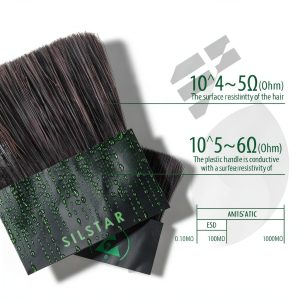 SILSTAR Anti Static Brush Conductive Nylon Lab Cleaning Tool
  Automatic Litter Box Fumoi Self-Cleaning Large Capacity Grey M4
  Portable Cat Travel Litter Box SDYQD Waterproof No-Leak 16x12.6
  XDMTWLKJ Antistatic Copper Brush Rust Grime Cleaning
  Bindpo Antistatic Lab Brush Clean Electronics Motherboard
  Incredible Facts About Countries Kindle eBook by XYZ Publishing
  Dolphin Dream Alberto's Adventures E-book for Kids
  Yosoo Anti Static Brush Electronics Cleaning ESD Safe
  Mexican History for Kids eBook by Capstone Press Interactive Edition
  Automatic Cat Litter Box Self Cleaning - App Control, Open-Design, Smart Health Monitor, Suitable for Medium Cats and Kittens, Anti-Pinch Safety, Quiet Operation, A Trusted Companion for Life - White
  Amazon Kindle Store Mexican History Books for Kids
  Latin American History for Kids Kindle eBook Adventure Books
  Abeillo Antistatic Lab Brushes Nylon Bristles Black Set
  Latin American History for Kids Kindle Edition by Civilizations Series
  ¿Qué fue? Penguin Workshop Spanish History eBook
 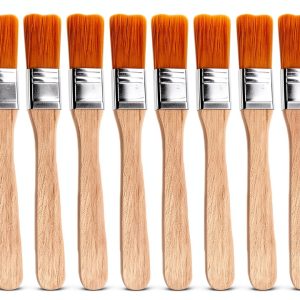 Laserersm Antistatic Lab Brush Wooden Handle Nylon Fiber
  Automatic Cat Litter Box Self Cleaning - APP Control, Open-Style Design, Smart Health Monitor, Suitable for Medium Cats and Kittens, Safe Anti-Pinch, Quiet, A Lifelong Companion - Grey
  Rourke Children’s Latin American History eBook Grades 3-6
  Penguin Workshop Latin American History eBook for Ages 8-12
  KidsLearn Fun Facts and Quiz for Kids Volume 2 Latin American History
  Amazon Kindle E-reader for Kids Latin American History
  Latin American History eBook by Levine Querido – Kindle for Ages 4-8
  HardPress Finnish Nature Literary Criticism Kindle Book
  Cassiodorus Press Nature Literary Criticism Kindle Edition